2026 中国百强城市榜单完整出炉,广西首府南宁综合得分定格全国第 49 名,距离 50 强门槛一步之遥却始终无法突破,成为典型卡在 50 名边缘的中西部省会。对比同期中部、西部其他省会排名,从第 16 名合肥到第 49 名南宁,中西部省会清晰划分三大梯队,区域发展不均衡问题直观展现。The complete 2026 list of China's top 100 cities has been released. Nanning, the capital of Guangxi, is fixed at 49th nationwide in comprehensive points, one step away from the top 50 threshold yet failing to break through, becoming a typical central and western provincial capital stuck at the edge of the top 50. Compared with the rankings of other provincial capitals in central and western China in the same period, from Hefei at 16th to Nanning at 49th, provincial capitals in central and western China are clearly divided into three major echelons, intuitively showing the unbalanced regional development problem.
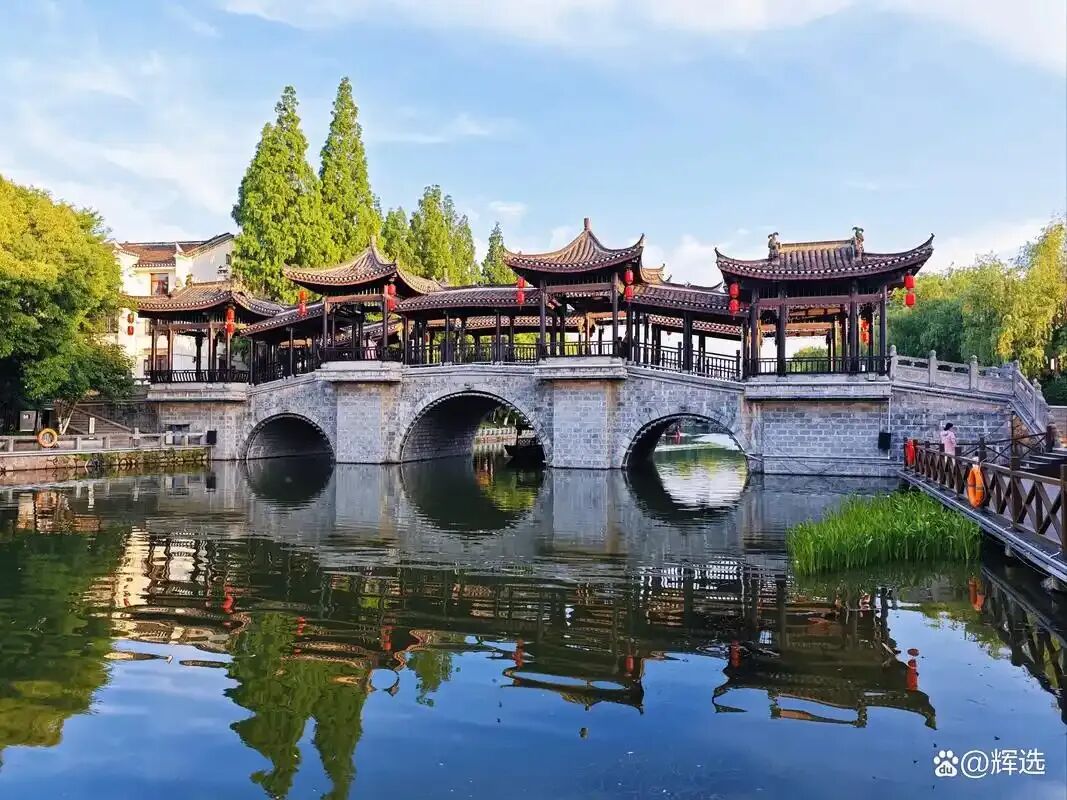
第一梯队为全国前 20 强中西部核心省会,包含成都 6、武汉 8、西安 18、合肥 16 四座城市,共同特征是拥有万亿级支柱产业、国家级科创平台、千万级常住人口,综合软硬经济指标均衡高分,具备辐射整个片区的城市群核心带动能力,是中西部城市第一方阵。The first echelon consists of core provincial capitals in central and western China ranking among the national top 20, including Chengdu (6th), Wuhan (8th), Xi’an (18th) and Hefei (16th). They share common characteristics: trillion-yuan pillar industries, national-level scientific innovation platforms, tens of millions of permanent residents, balanced high scores in comprehensive soft and hard economic indicators, and core driving capacity of urban agglomerations radiating the entire region, forming the first square of cities in central and western China.
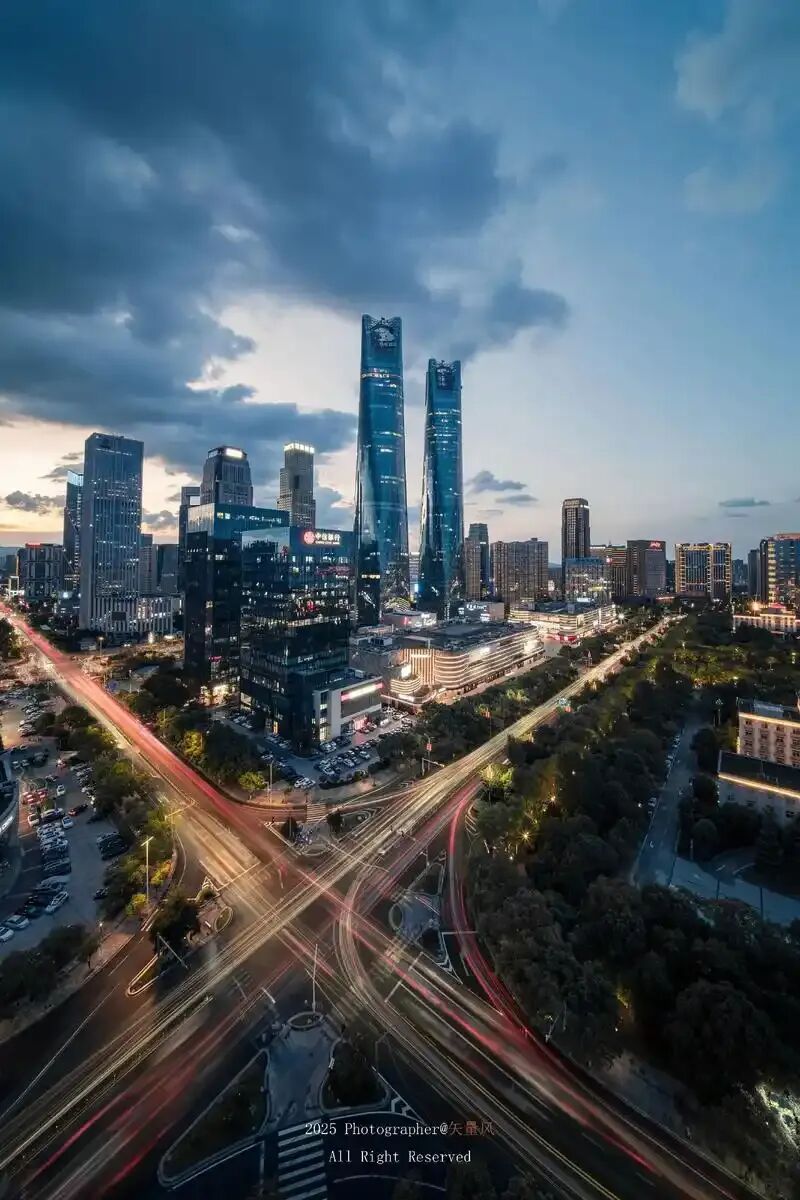
第二梯队为 21 至 50 名区间的中等省会,南昌 41、长沙、昆明、南宁 49 均归属此梯队。这类城市具备一定工业基础与文旅资源,但缺乏顶尖高新产业集群,经济体量距离万亿存在差距,人口虹吸能力有限,综合实力仅能覆盖本省辐射,难以跨区域形成产业联动,卡在 50 强门槛上下波动,南宁 49 名正是该梯队末尾代表城市。The second echelon covers medium-sized provincial capitals ranked 21st to 50th, including Nanchang (41st), Changsha, Kunming and Nanning (49th). Such cities boast certain industrial foundations and cultural tourism resources, but lack top-tier high-tech industrial clusters, their economic volume falls short of one trillion yuan, and their population siphon capacity is limited. Their comprehensive strength can only cover radiation within their own provinces, making it hard to form cross-regional industrial linkage, with rankings fluctuating around the top 50 threshold. Nanning at 49th is a representative city at the end of this echelon.

第三梯队为 50 名开外中西部省会,太原 62、贵阳、兰州、哈尔滨等城市全部在此区间,大多依托传统资源型产业,高新产业培育滞后,人口持续外流,财政、消费两大硬经济指标得分偏低,综合竞争力长期偏弱。三大梯队位次差距巨大,核心在于科创产业布局、人口集聚能力、产业体量三大核心指标形成分层。The third echelon includes provincial capitals in central and western China ranking beyond 50th, such as Taiyuan (62nd), Guiyang, Lanzhou and Harbin. Most of them rely on traditional resource-based industries with lagging cultivation of high-tech industries, continuous population outflow and low scores in two hard economic indicators: fiscal revenue and consumption, resulting in long-term weak comprehensive competitiveness. The huge ranking gap among the three echelons mainly stems from stratification formed by three core indicators: layout of scientific innovation industries, population agglomeration capacity and industrial volume.
南宁常年定格 49 名无缘前 50,想要实现梯队跨越,必须大力布局新能源、电子加工等新兴产业,扩大人口集聚规模,做强商贸消费市场,补齐工业体量短板。中西部省会梯队分化也为各省提供发展参考,唯有做强高新产业、留住青年人口,才能突破排名瓶颈,向上跃进更高城市梯队。Nanning’s long-term fixed ranking at 49th, failing to enter the top 50, means it must vigorously layout emerging industries such as new energy and electronic processing, expand population agglomeration scale, strengthen the commercial and consumer market and make up for shortcomings in industrial volume to achieve echelon leap. The differentiated echelons of provincial capitals in central and western China also provide development reference for all provinces. Only by strengthening high-tech industries and retaining young talents can cities break through ranking bottlenecks and jump to higher urban echelons.